

To convert followers, subscribers, and readers into paying clients, you need three types of digital stories in your content: the permission story, the struggle story, and the transformation story. Most entrepreneurs only use one. The clients I've seen make consistent money are the ones who rotate through all three.
Prefer to watch? Here's the video version: https://youtu.be/lgD6AnOpx68
What is a permission story?
This is a moment where you gave yourself permission to want something more, to go after something more, or to do something differently. It makes your audience think, "I can do that too."
It's a great story for the beginning of the customer buying journey. You might pin it at the top of your Instagram or share it in a YouTube video, and it works well in an email funnel. It's also fantastic during a launch, or any time you're addressing a limiting belief, which can be a major objection or obstacle keeping your audience from taking action on your paid offer.
What is a struggle story?
This highlights a challenge you faced and the lesson you learned. It's important not to emphasize only the pain. This isn't pain marketing. It's about building trust, positioning you as an expert, and showing relatability, so your audience knows you understand what they're going through and you're here to help.
It's a good one to use during a launch to address objections. I also use it in my YouTube videos, blogs, emails, and social media to show my authority in a natural, human way, without it feeling like constant pain marketing, which never feels good.
What is a transformation story?
This shows what's possible now that wasn't possible before. It highlights the results you've had, and the results your clients have had because of the work you've done. You can get really specific and help people visualize the outcome.
Use it in your sales content, and every time you launch or promote something. It's also a great fit for customer testimonials and case studies. It does two things: it shows people what's possible, which helps them shift their mindset and act, and it highlights the benefits of your specific offer.
Why do you need all three?
If you only use struggle stories to highlight the pain, you're already missing the mark. Pain marketing is out, and it can make people feel icky and shut down emotionally. When you share the struggle, what shifted, and the outcome, you start selling the transformation.
Not everyone who meets your brand is ready to buy, and cycling through these three story types helps people move through the customer buying journey on their own, rather quickly.
How often should you share each type?
Posting on social media: aim for one of these every day.
Posting on YouTube: include at least one in your content each month.
Launching with email: give each type its own email, which keeps things fresh and meets people at their point in the buying journey.
How do you keep track of your stories?
Organize them so that when you need a story today, you can jump into your story bank, pull the one you need, and post it. That's how you never run out of storytelling content ideas.
What should you do next?
I recorded an entire video walking you through how to create a story bank, with very specific questions so you can build yours in real time with me. Watch it next: How to Build Your Story Bank in 30 Minutes.
And if you want to cheat a little bit, I put together the Storytelling Content Super Bundle, with over 2,900 prompts you can plug and play into your story bank, for just $27.

FREE GIFTS FOR YOU
--
FREE GIFTS FOR YOU --


DISCOVER YOUR BRAND STORY IN UNDER 5 MINUTES
LEARN HOW TO WRITE AN ‘ABOUT ME’ PAGE THAT CONVERTS
MAP OUT 30 DAYS OF CONTENT IN UNDER AN HOUR

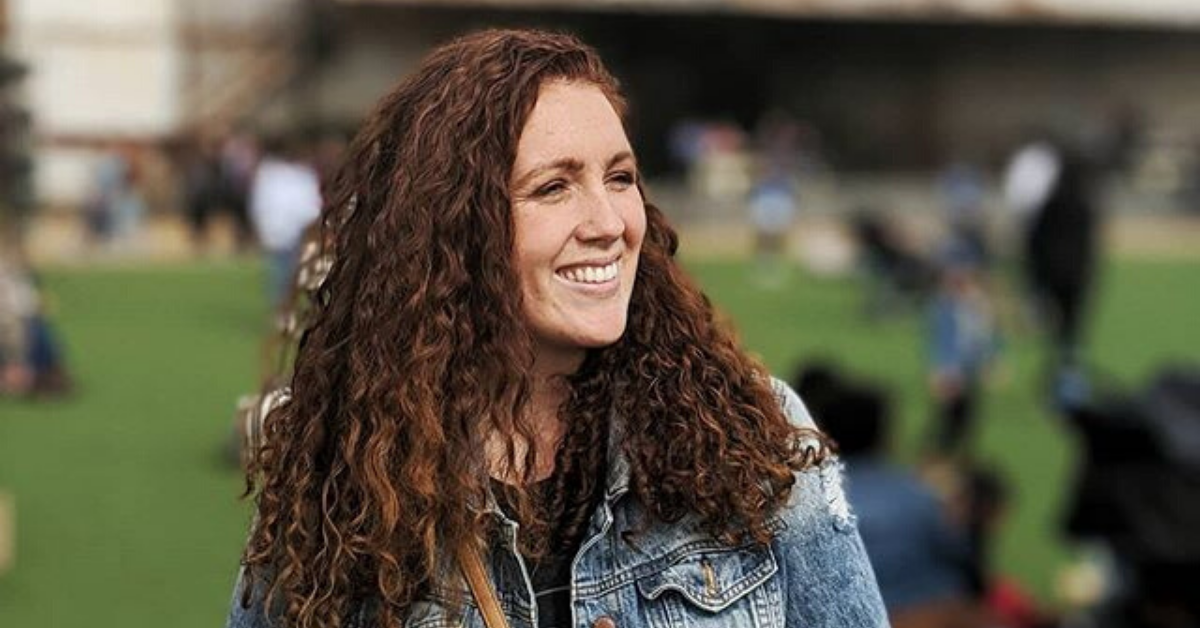
Hey there, I’m Michelle Knight!
I’m an online branding and marketing consultant for female entrepreneurs.
I believe in the power of storytelling and using that superpower to brand and market yourself online...oh and to set yourself free.
I'm obsessed with living a life of freedom, so much so, that my family and I travel the world (sometimes in an RV) while running my business.
This blog serves as a home base for all things branding, marketing, content creation, productivity, and more.







Branding is hard, there I said it! It took me months to find my personal brand after being stuck in a cycle of comparison and lost in connecting to my true story and personality. However, personal branding is important to the success of your business online and can’t be ignored. Once I figured it out I knew I wanted to share with others what I’d learned.
Click the image to learn 4 Branding Tips for Female Entrepreneurs.